
BLOGS: FOR THERAPISTS BY THERAPISTS

Explore clinical perspectives written by therapists for therapists. KDH Collective brings together articles on OCD and exposure and response prevention, trauma-informed care, neurodiversity-affirming practice, counseling ethics, and working with LGBTQIA+ clients. Our contributors connect clinical experience with questions that arise in the therapy room, from differential diagnosis and treatment planning to the therapeutic relationship.

Choose an article below or browse by topic and author to find resources relevant to your practice. For structured continuing education, explore our OCD and ERP training, trauma training, and neurodivergence CEU series. Each course page provides its learning objectives, format, schedule, and continuing education details.

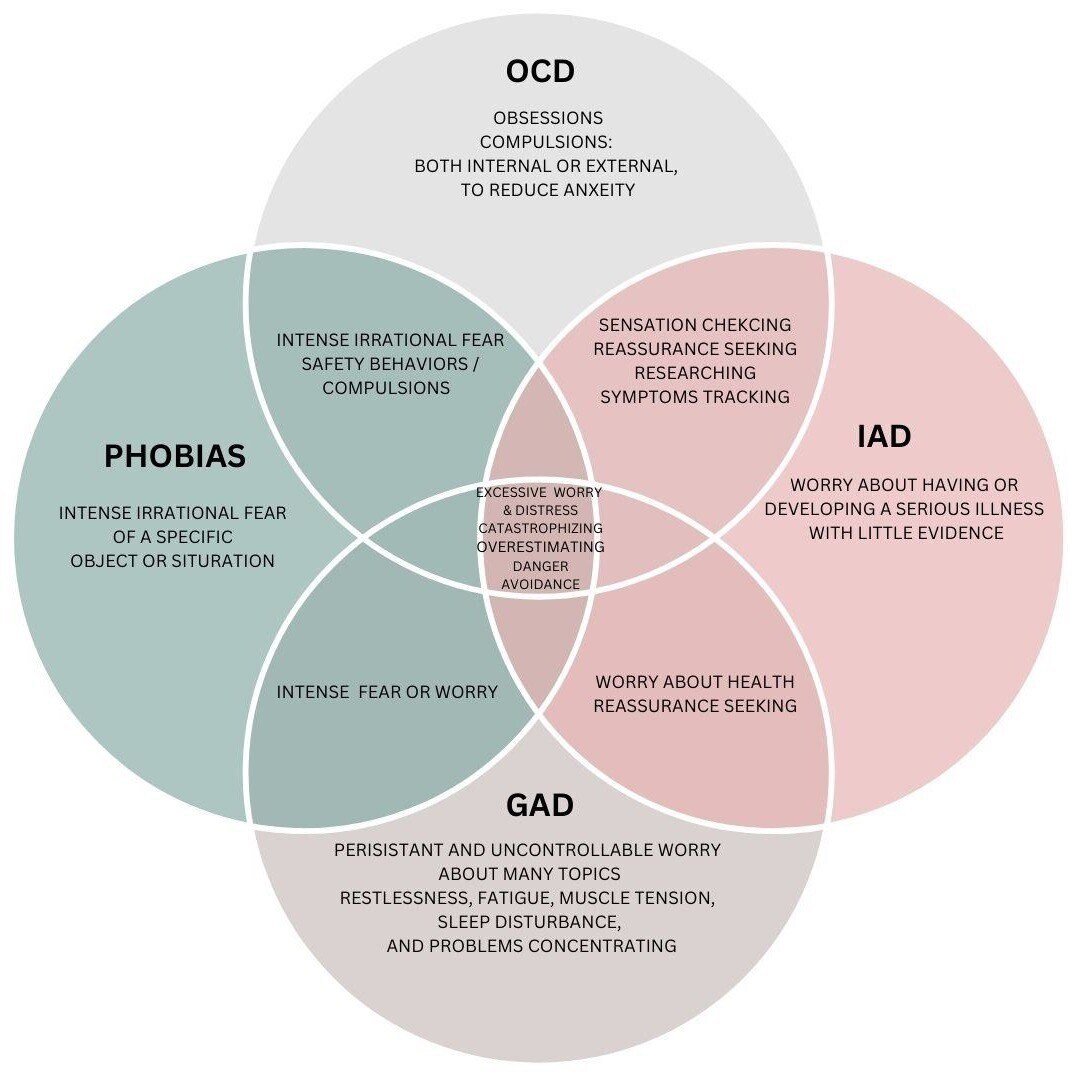
venn diagram of OCD and anxiety disorders

7 min read

Is OCD an Anxiety Disorder? How to Tell the Difference

For therapists, understanding what is OCD for therapists-including the nuanced distinctions between OCD and other anxiety disorders-is essential for accurate diagnosis, effective treatment planning, and reducing the prolonged delays many clients experience before receiving proper care. Diagnostic precision can significantly shorten the years individuals often endure before finding relief.


Rough Terrain symbolizing the mental health terrain therapists must navigate

5 min read

The Complex Terrain of Suicide and Depression in Therapy

In the world of mental health care, Licensed Professional Counselors (LPCs) and Licensed Clinical Social Workers (LCSWs) serve a central role in supporting individuals through complex emotional and psychological challenges. As frontline clinicians, we work with depression, anxiety disorders, relationship distress, trauma, and suicidal thoughts...

Image of a tunnel symbolizing finding the way through our fear

6 min read

Confronting Suicide: An Exploration of Therapist's Fear

In the hushed confines of therapy rooms, where whispered truths echo and a client’s inner world unfolds, therapists often find themselves facing an unspoken adversary-fear. It is the quiet surge that arises when suicidal thoughts enter the room, when the weight of responsibility feels palpable. Many clinicians hesitate to speak openly about this...

Image of building blocks building upon each other like ethics

11 min read

The Significance of Ethics for Mental Health Professionals

Exploring the critical role that ethics play in the field of mental health and the impact it has on both professionals and their clients. For the sake of this blog, we will be referencing the American Counseling Association's (ACA) Code of Ethics.

Autism and Addiction and Substance Use image

11 min read

Autism, Addiction, and Disordered Eating (OH MY!)

If you are a therapist offering Autism Therapy for adults, it's important to consider disordered eating and addiction. When consulting with mental and physical health clinicians, a disconnect exists between clinical expectations and the reality of comorbidity between Autism, substance use disorders (SUD), and disordered eating (DE). Research...

Lightening signaling hurt people hurt people

5 min read

Hurt people hurt people? When Good Therapists Cause Harm

In working with a diverse range of helping professionals, including undergraduate psychology students, fellow counselors, and law enforcement personnel, a common thread keeps showing up: many of us seek out these careers because of a deep desire to serve others. This desire often stems from intrinsic personality traits and, at times, our own...

Images of an LGBTQI supportive therapy office

7 min read

Clinical Insights into LGBTQ+ Counseling

Discover clinical approaches and skills for effectiveLGBT counseling when working with LGBTQ populations in therapy sessions.

Fight flight freeze fawn flop

6 min read

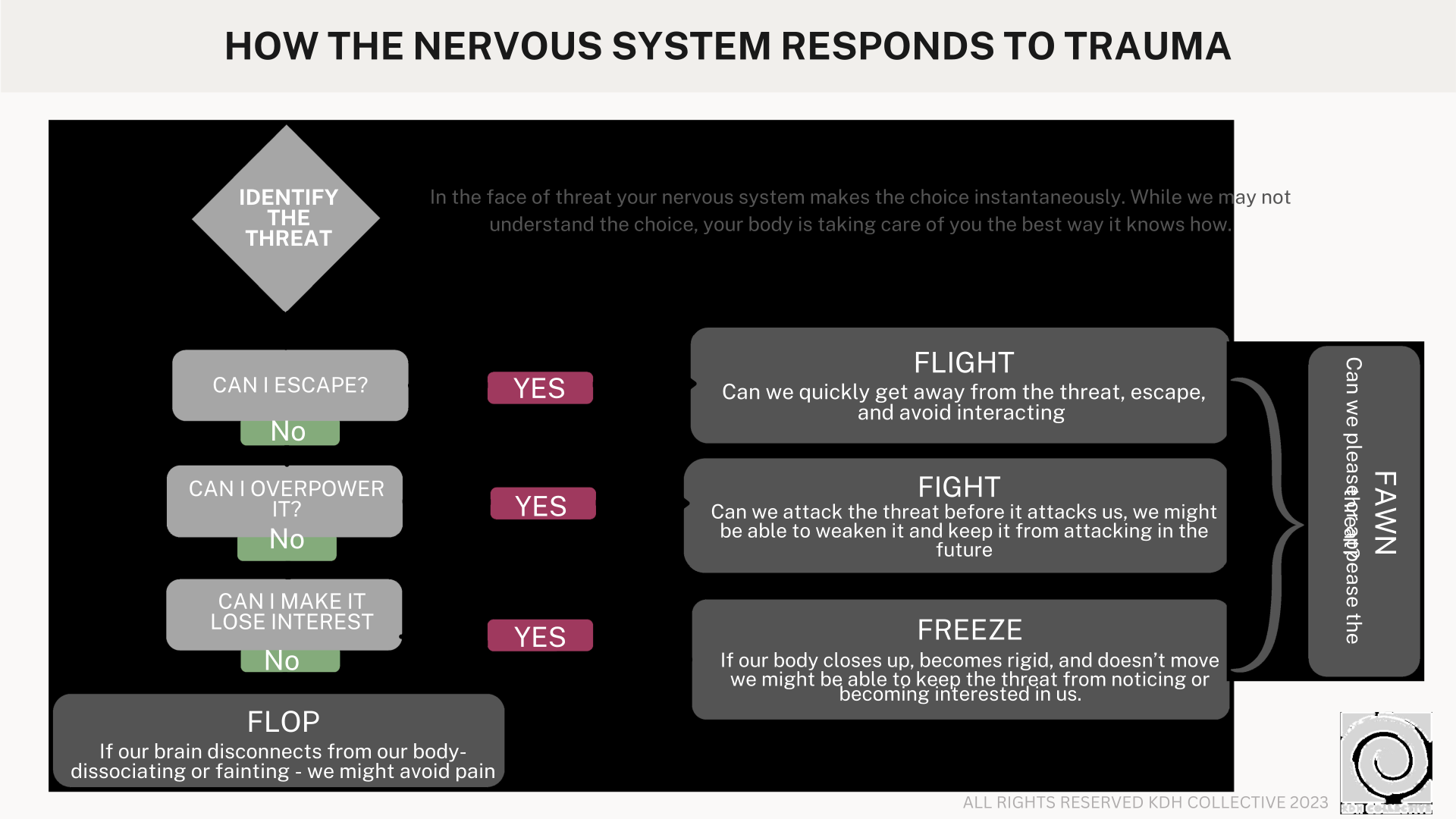
The Five Ways Your Body Responds to Trauma

Trauma-informed therapy explains the connection between the nervous system and mental health, offering a paradigm shift in treating mental health issues. Central to this framework is understanding thefight or flight response-and providing clinicians with structured fight or flight response training so they can recognize when a client's behavior is...

Therapist sitting

5 min read

On Being a therapist's therapist

Here’s a question to consider: Are you a therapist’s therapist? Do you provide therapists’ therapy in a way that offers advocacy, collegial respect, and beneficence when the opportunity presents itself? Perhaps an even more important question is this: What do we owe each other when it comes to our professional identities, reputations, and clinical...

Trans paperairplane

5 min read

Therapists and Transcare: An Interview with Zach Hebert, LPC, NCC, PhD

One of the greatest pleasures I have in life is the friendships I’ve made along the way in my journey to becoming a therapist. Counselor Education graduate programs are often intentionally small to ensure depth of training and quality of professional development. From that comes the opportunity to learn and grow alongside a cohort aligned in...