

NEURODIVERGENCE: TRAUMA AND DIAGNOSTIC OVERSHADOWING TRAINING FOR THERAPISTS


IF YOU ARE A CLIENT SEEKING INFORMATION CLICK HERE

COUNSELING INFO

MAY 7, 2027

9:00 am - 1:30 pm CDT $120

LIVE WEBINAR - INTERACTIVE DISTANCE LEARNING

4 CE DIAGNOSING HOURS NBCC APPROVED

4 CE CLINICAL HOURS OFFERED BY ASWB ACE

Diagnose less, understand more. Practical skills to differentiate dissociation from ADHD/Adult Diagnosed Autism and help clients stabilize, effectively.

COURSE DESCRIPTION

Neurodiversity‑Affirming Trauma‑Informed CEU is a practical, skills‑forward workshop that tackles the clinical blind spots created by diagnostic overshadowing-when dissociation and trauma responses are mislabeled as “just autism/ADHD,” or when Autism/ADHD are misread as trauma‑driven dissociation.

When neurodevelopmental differences and trauma aren’t held together, care can stall. This training gives clinicians a clear, compassionate framework to move assessment and treatment forward with confidence.

We map the body’s defense responses and sensory needs within the window of tolerance, showing how deep single-focus attention (monotropism) and executive function overload shape presentations like autistic meltdown versus shutdown or ADHD agitation versus collapse. You’ll learn to tell dissociation apart from ADHD inattention and autistic absorption-and use that clarity to guide stabilization in session.

You’ll leave with:

Assessment lenses you can explain to clients (DES; ASRS/Vanderbilt; PCL‑5/CAPS‑5),

A Stabilization Guide (DBT/RO‑DBT skills, sensory kits, pacing) and (Window of Tolerance – ND version, Sensory Menu).

CLASS OBJECTIVES:

By the end, participants will be able to:

  1. Identify how diagnostic overshadowing leads to both (a) misattributing dissociation/trauma responses to Autism/ADHD and (b) misattributing Autism/ADHD to trauma‑related dissociation.
  2. Map sensory profiles (hyper/hypo) and ADHD differences to window of tolerance shifts (hyperarousal ↔ hypoarousal) and tailor stabilization.
  3. Differentiate dissociation from ADHD inattention, autistic shutdown, and sensory overwhelm.
  4. Apply neurodiversity‑affirming stabilization (OT‑informed sensory tools, pacing, DBT/RO‑DBT skills).


WHAT PARTICIPANTS WILL GAIN

This neurodivergent and trauma continuing education workshop provides practical tools that can be implemented immediately.

Participants will leave with:

  • Assessment tools that briefly explained (DES, ASRS/Vanderbilt, PCL-5, CAPS-5)
  • Clinical considerations for alexithymia and PDA/demand avoidance
  • A neurodivergent-adapted Window of Tolerance framework
  • Sensory mapping tools (hyper- and hypo-sensitivity profiles)
  • Stabilization strategies integrating DBT and RO-DBT skills
  • OT-informed sensory supports and session pacing adaptations
  • Homework planning that respects executive functioning capacity and sensory load

All tools are presented within evidence-informed, ethically grounded frameworks consistent with ACE continuing education requirements.

CLINICAL FOCUS AREAS

This training emphasizes:

  • Trauma physiology and autonomic defense responses
  • Executive functioning under stress
  • Monotropism and attentional narrowing
  • Sensory regulation across hyper/hypo profiles
  • Practical stabilization skills

The course prioritizes diagnostic clarity and functional stabilization rather than over-pathologizing.

WHO THIS COURSE IS FOR

This neurodivergent and trauma continuing education training is appropriate for:

  • LPCs
  • LCSWs
  • LMFTs
  • Psychologists
  • Clinical interns seeking advanced conceptual clarity

Participants should have foundational familiarity with trauma-informed care and neurodevelopmental conditions.


FAQ

What is diagnostic overshadowing, and why does this course focus on it?

Diagnostic overshadowing happens when trauma responses get mislabeled as "just ADHD" or "just autism," or when ADHD or autism get misread as trauma-driven dissociation. Once a label is assigned, every behavior gets filtered through that lens, which is exactly what this course teaches clinicians to catch and correct.

How is dissociation different from ADHD inattention or autistic shutdown?

This course uses concrete differential questions rather than relying on a single screener: when did it begin, what triggers it, what function does it serve, and what happens when sensory load or executive demand decreases. Elevated dissociation scores can reflect trauma dissociation, autistic shutdown, ADHD attention drift, or sensory overwhelm, so the driver has to be identified through interview, not assumed from a scale score.

What assessment tools does this course cover?

The course reviews the WURS-25, ASRS v1.1, PCL-5, DES-II, and CAPS-5, along with each tool's real limitations, including how elevated trauma symptoms can inflate ADHD self-report scores. The framing throughout is that screeners are hypothesis generators, not diagnostic deciders.

Does this course include stabilization strategies, not just diagnosis?

Yes. Participants leave with stabilization charts built specifically for ADHD, autism, and dissociation, mapped to a neurodivergent-adapted window of tolerance, plus guidance on masking, unmasking as a regulation intervention, and sensory coping strategies by channel (auditory, tactile, vestibular, and more).

Does this course address suicide risk in neurodivergent clients?

Yes. It covers a safety-first framework for neurodivergent clients presenting with suicidal ideation, including direct risk assessment (plan, intent, means) before any driver-mapping work, since neurodivergent overload can intensify risk but never replaces a standard risk assessment.

Who should take this course?

LPCs, LCSWs, LMFTs, psychologists, and clinical interns who already have foundational familiarity with trauma-informed care and neurodevelopmental conditions and want sharper differential clarity between the three.

WEB-ACE-Logo-BLUE

KDH COLLECTIVE PROVIDER #2506

KDH COLLECTIVE PROVIDER #2506, IS APPROVED TO OFFER SOCIAL WORK CONTINUING EDUCATION BY THE ASSOCIATION OF SOCIAL WORK BOARDS (ASWB) APPROVED CONTINUING EDUCATION (ACE) PROGRAM. REGULATORY BOARDS ARE THE FINAL AUTHORITY ON COURSES ACCEPTED FOR CONTINUING EDUCATION CREDIT. ACE PROVIDER APPROVAL PERIOD:. 09/30/2025 - 09/30/2026. SOCIAL WORKERS COMPLETING THIS COURSE RECEIVE 4 CLINICAL CONTINUING EDUCATION CREDITS.

ACEP logo

KDH COLLECTIVE ACEP NO. 7323

KDH COLLECTIVE HAS BEEN APPROVED BY NBCC AS AN APPROVED CONTINUING EDUCATION PROVIDER, ACEP NO. 7323. PROGRAMS THAT DO NOT QUALIFY FOR NBCC CREDIT ARE CLEARLY IDENTIFIED.  KDH COLLECTIVE IS SOLELY RESPONSIBLE FOR ALL ASPECTS OF THE PROGRAMS.      
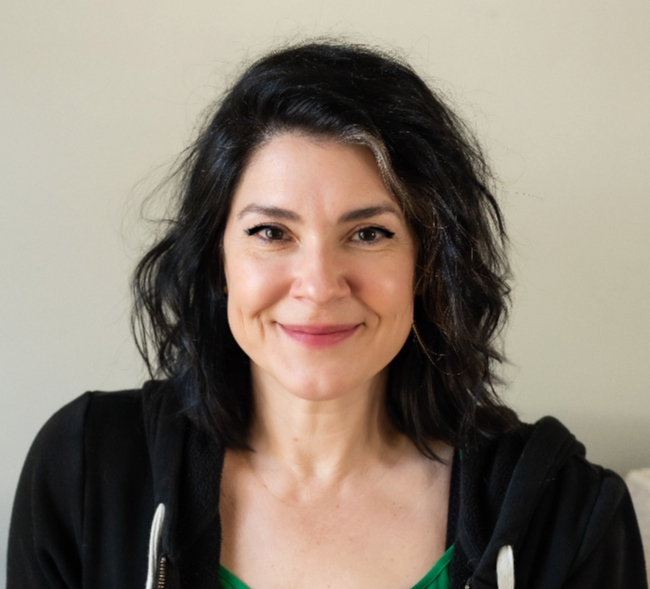
Presenter: 

KD Holmes, MS, LPC headshot

KD Holmes, MS, LPC, EMDR Certified, BTTI Trained

Founder of KDH Collective & KDH Counseling

KD (she/her) is a practicing therapist at KDH Counseling for the past 20 years. She specializes in Anxiety Disorders, Phobias, OCD, and PTSD. She is certified in Eye Movement Desensitization and Reprocessing, and trained in BTTI for OCD treatment. KD utilizes biology as a foundation to guide behavioral approaches to mental health treatment, using DBT, RODBT, and ERP to address issues through tangible steps. Trauma reprocessing techniques like EMDR, and Deep Brain Reorienting are valuable tools to transform the nervous system and address trauma responses. The wisdom of biology, practitioner experience, data, and protocols lead to the best outcomes for clients and professional development. 

ENROLL IN NEURODIVERGENT: TRAUMA 

$120 for 4 CE Hours

NeuroPod Series: Neurodivergence in the Therapy Room

KD Holmes, MS, LPC, and Whitney Storey, LPC, ASDCS, dive deep into the principles and practices of Neurodiversity Affirming Therapy, exploring real-world strategies to help therapists better support neurodivergent clients. KD and Whitney highlight key takeaways from their upcoming continuing education event. This specialized training is crafted for LPCs, LCSWs, and LMFTs who want to refine their clinical skills, strengthen their client relationships, and deliver care that celebrates the strengths of neurodivergent individuals.


Leaning into Neurodivergence: Autism

Whitney Storey, MS, LPC, and Monet David, MS, LPC, ADHD-CCSP discuss neurodivergence and leaning into the nuances of identifying and supporting the autism diagnosis in the therapy setting. Monet and Whitney get into misconceptions surrounding autism, the importance of understanding neurodiversity, and the specific aspects of therapy for autistic individuals. The significance of recognizing the lived experiences of autistic people, the challenges of masking, and how traditional diagnostic frameworks can sometimes fail to capture the true essence of autism, is invaluable to fostering a working therapeutic relationship between client and therapist. 


Leaning into Neurodivergence: ADHD

In this podcast episode, Monet David, MS, LPC, ADHD-CCSP, dives into one of her most passionate topics—ADHD in therapy. Drawing from her extensive training and hands-on experience, Monet sits down with Whitney Storey, MS, LPC, ASDCS, to share valuable insights, practical tips, and real-life examples that demystify ADHD and neurodivergence. Together, they break down complex concepts into easy-to-understand lessons, empowering therapists with knowledge they can use in their office. This conversation provides approachable guidance to help make neurodivergence accessible, relatable, and meaningful.


LEARN MORE FROM OUR PODCAST: 

LISTEN TO KDH PODCAST
9 min read

ASD SPD ADHD & Dissociation: Contributor Co-Occurrence or Misdiagnosis

Exploring the complexities of mental health, the threads of neurodivergence and dissociation weave together in...
5 min read

Navigating Neurodivergence Trauma

For therapists, trauma-informed care is a primary focus in both training and treatment. This approach, characterized by...
7 min read

When Trauma Responses Don’t Look Like Trauma: Neurodivergent Trauma

Most therapists today are familiar with the language of the nervous system. Fight, flight, freeze, fawn, and flop have...
5 min read

UNDERSTANDING NEURODIVERSITY-AFFIRMING THERAPY

Neurodiversity-affirming therapy is emerging as a new approach to mental health care-one that flips the script on...
11 min read

Autism, Addiction, and Disordered Eating (OH MY!)

If you are a therapist offering Autism Therapy for a adults its important to consider disordered eating and addiciton....
7 min read

Autistic Adults: The Clients We Haven't Learned to See

Mental health professionals are trained in a way that leads us to spot the "obvious" cases of autism: the children who...
5 min read

Thinking Differently: Demystifying Neurodiversity Affirming Therapy

As therapists, we encounter a vast array of clients, each bringing their own histories, insights, and emotions into the...
9 min read

Toward a More Affirming Mental Health Practice

As mental health therapists, we are trained to understand and address distress and to help our clients navigate their...
4 min read

The Invisible Threshold: Rethinking Therapy for Adult ADHD

In the modern therapy room, a specific type of clinical impasse is becoming increasingly common. It involves the client...
3 min read

Neurodivergent November with KDH Collective

The beauty of being KDH Collective-a group of neurodivergent clinicians and scholars-is that we bring both lived...

For LPCs, LMHCs, LCPCs, PLPCs, LMSWs, LCSWs, LMFTs, and other state-credentialed counselors

ADA NEEDS

We would be happy to accommodate your needs.

Contact us:


Registration Deadline closes at the beginning of course.

This live webinar is hosted through zoom. Participants are responsible for ensuring their device and internet connection meet Zoom’s current system requirements.

System Requirements for Zoom

Your satisfaction is our goal and our guarantee. Concerns should be addressed to:

KDH Collective
4906 Ambassador Caffery Pkwy, Bldg I
Lafayette, La 70508
337-895-0300

KDH COLLECTIVE has been approved by NBCC as an approved Continuing Education Provider, ACEP NO. 7323. Programs that do not qualify for NBCC credit are clearly identified. KDH COLLECTIVE is solely responsible for all aspects of the programs.

We work hard to ensure the quality of our courses and educational materials. If you would like a refund, please email your request with an explanation to kd@kdholmeslpc.comwithin 48 of the live course, and we will review the refund request.

KDH Collective, 2506, is approved as an ACE provider to offer social work continuing education by the Association of Social Work Boards (ASWB) Approved Continuing Education (ACE) program. Regulatory boards are the final authority on courses accepted for continuing education credit. ACE provider approval period: 09/30/2025-09/30/2026. 4 clinical CE hours offered by ASWB ACE.


To successfully complete this course and receive a certificate of completion / continuing education credit, participants must:

  1. Attend the full live webinar course from start to finish.

  2. Submit evaluations forms. (Completion of the evaluation is a required step before certificates are issued.)

  3. CE credit certificates will be emailed within a week of attending course and completing evaluations.


ARE YOU IN NEED OF ANY ANSWERS, INTERESTED IN BLOGSEBOOKS, THE LATEST CLASS UPDATES, OR ANYTHING ELSE?

LEARN MORE

ARE YOU A CLIENT SEEKING INFORMATION?

COUNSELING INFO