1. What Is Trauma?
Trauma is the result of an event that overwhelms an individual's nervous system and ability to cope. It causes emotional distress that continues long after the event(s). Trauma can be caused by a single event such as a near death experience or ongoing stress such as emotional abuse and manipulation.
Long after the event(s), individuals may experience intrusive images, thoughts, and somatic re-experiencing events, distressing dreams, and or dissociative reactions. The individual can experience feeling a persistent sense of threat, irritability, feeling on edge or restless, problems with sleep or concentration. Views of self, others, and the world may also be negatively impacted as a result of the traumatic event.
2. What Is Dissociation?
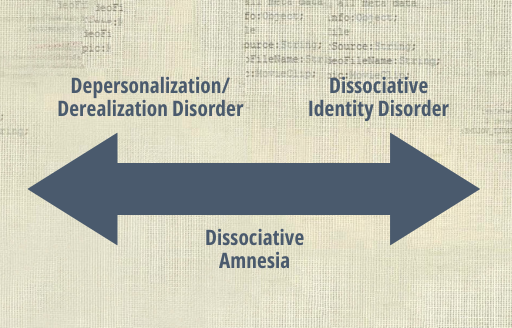
Dissociation is the internal reality distortion of difficulty feeling that oneself or their surroundings are real. This can occur with either a Depersonalization-type experience, which is the experience of feeling detached from one's body, or with a Derealization-type experience, which is the persistent experience that their surroundings are distant or dreamlike. Both may occur within the same individual either at the same time, or not.
When individuals also have symptoms involving a dissociative process (depersonalization or derealization), they have complex symptoms of trauma leading to persistent distancing from, or minimizing what happened to avoid "claiming" the full experience.
- Marielle Babb, LPC
Types of Dissociative Disorders
Neurodivergent individuals-especially those with Autism, ADHD or sensory processing disorders-experience sensory differences that can co-occur with dissociation, contribute to dissociation, or even be misdiagnosed as dissociation when there is no trauma history.
- KD Holmes, LPC, EMDR Certified
3. What Is Trauma-Informed Therapy?
Trauma-informed therapy is a lens that takes our client's presenting problem and views it through their trauma history. It begins with understanding how trauma shapes the nervous system and influences behavior, emotions, and thought patterns today. This approach places a significant emphasis on "what lies beneath"-or what is responsible for problematic human behaviors-the activity within the nervous system and the deep brain processes that are triggering their life long patterns. Presenting problems are driven by survival instincts learned under traumatic or overwhelming circumstances. It's the brain's way of saying: "Survive first, process later."
Trauma-informed therapy works to repair these overactive or numbed responses by creating a foundation of understanding and ultimately self-compassion.
The heart of trauma-informed therapy lies in this recognition of trauma and the nervous system: change begins with acknowledging the very real physical imprints it leaves behind, and working intentionally to reset the patterns it created.
It's important to remember every body experiences and senses threats differently and identifying these sensory differences are essential for effective treatment.
- KD Holmes, LPC, EMDR Certified
4. How Does Trauma Change The Brain?
Psychological trauma, especially when prolonged or severe, can have a profound impact on both the brain and the nervous system. Trauma can alter the brain's structure and function, particularly in regions involving emotions, memory, and stress responses.
Understanding how trauma influences the brain and nervous system can help in understanding your client and help them increase compassion for themselves and their responses both during and after traumatic events.
- Brynne Angelle, LCSW
The Brain: The Limbic System
Amygdala: The amygdala is involved in processing emotions, particularly fear and threat detection. After trauma, the amygdala may become hyperactive, leading to heightened responses to stress, anxiety, and fear. This can cause individuals to be overly sensitive to potential threats, even in safe environments, contributing to symptoms like hypervigilance, anxiety, and panic.
Hippocampus: The hippocampus is critical for memory formation and regulating emotional responses. Chronic trauma, especially when it leads to conditions like PTSD, can cause the hippocampus to shrink. This shrinkage can impair the ability to form new memories and make it difficult for individuals to distinguish between past and present threats. It can also contribute to the development of intrusive memories and flashbacks that are common in PTSD.
Prefrontal Cortex: The prefrontal cortex is responsible for higher-order functions such as decision-making, impulse control, and emotional regulation. Trauma can decrease activity in the prefrontal cortex, leading to difficulties in managing emotions and behaviors. This can manifest as impulsivity, poor judgment, or difficulty focusing. In some cases, it can make it harder for individuals to engage in effective coping strategies or resolve conflicts.
The Brain: Corpus Callosum
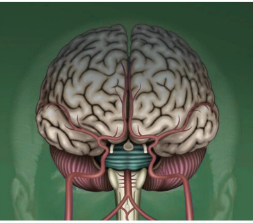
Think of this part of the brain like a bridge. It connects the left and right hemispheres of the brain. Trauma, particularly in childhood, can affect the development of the corpus callosum, impairing communication between the two sides of the brain. This can lead to difficulties in integrating emotional and cognitive processing, potentially affecting mood regulation, problem-solving, and decision-making.
Brain Stem: This is the area where shock is initially processed and quickly communicates to the rest of the nervous system and brain protective information geared for your safety.
The Nervous System: Autonomic Nervous System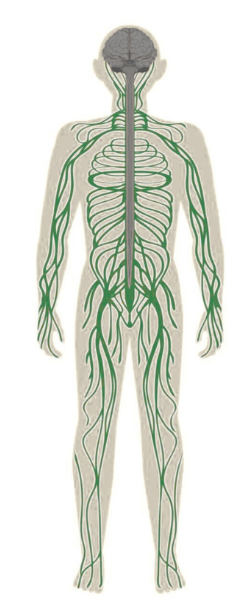 (ANS)
(ANS)
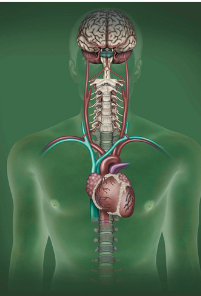
The autonomic nervous system (ANS) controls involuntary functions, such as heart rate, breathing, digestion, and stress responses. Trauma can disrupt the balance of the ANS, leading to symptoms of heightened stress and physical arousal.
Sympathetic Nervous System: Think activation. The sympathetic nervous system (SNS) is responsible for the "fight or flight" response. Chronic trauma can lead to an overactive SNS, causing symptoms like rapid heartbeat, shallow breathing, and muscle tension. This can result in heightened anxiety, restlessness, and difficulty relaxing.
Parasympathetic Nervous System: Think rest. The parasympathetic nervous system (PNS) is responsible for calming the body and promoting rest. In trauma survivors, the PNS may become underactive or overactive. An underactive PNS makes it harder to relax, recover, or feel safe. This dysregulation can contribute to difficulties with regulating emotions, sleeping, and calming down after stressful events. A PNS dominant system will make someone appear floppy or chronically fatigued. Oftentimes lack of motivation, persistent demand avoidance, and chronic fatigue are reported by those struggling with consistent requests for rest.
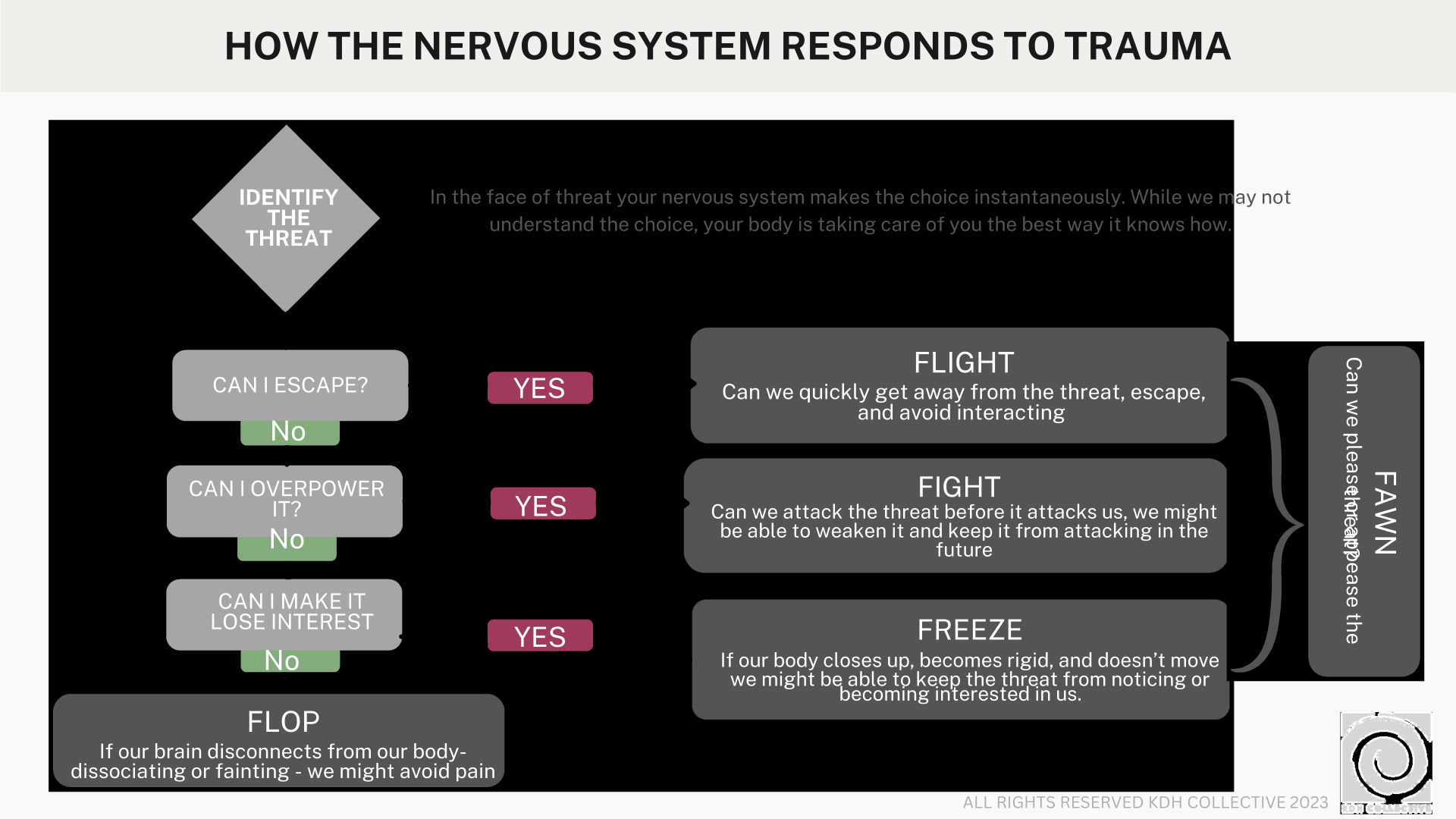
How the Nervous System Responds to Trauma
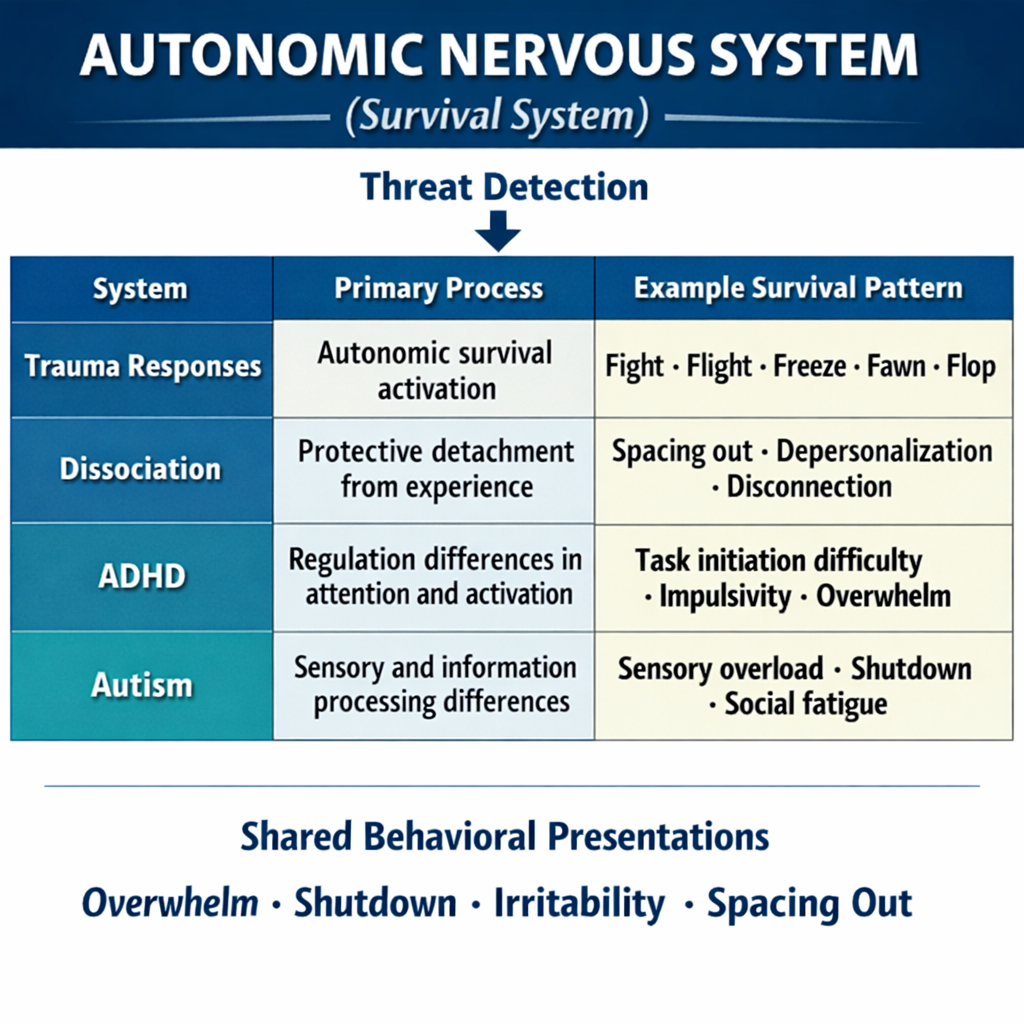
The 5 Fs of trauma response refer to the instinctive ways in which our bodies and minds react to perceived threats or traumatic events.
- Fight: Confront the threat with aggression.
- Flight: Flee the situation to avoid danger.
- Freeze: Become immobile, dissociating from the situation.
- Fawn: Try to appease or please the threat to stay safe.
- Flop: Collapse, give up, or enter a state of deep shutdown.
These responses are automatic and can vary greatly depending on the individual and the nature of the trauma. Understanding the 5 Fs helps provide insight into why people may react in different ways to similar stressors and can guide trauma-informed approaches to healing and recovery.
6. Multicultural And Other Differences To Consider
Biologically, trauma occurs within the nervous system the same across the human species, but racial, cultural, and neurological differences affects both what is perceived as traumatic, and greatly impacts the lifetime risk-rate of PTSD and the type of trauma one is exposed to.
The prevalence of PTSD varies significantly across racial (ethnic) groups, and these disparities are deeply intertwined with systemic factors such as socioeconomic challenges, exposure to violence, racial trauma, generational trauma, and community crime rates.
As therapists, this reality calls for more than standard trauma screening; it calls for intentional curiosity. The trauma we must explore is not always visible, nor should we assume it fits a predetermined mold.
ADHD, Autism, and PTSD often present with higher comorbidity rates than even the disparities seen across racial differences. These invisible differences profoundly contribute to overall mental health problems. For example, the bidirectional relationship between PTSD and ADHD can intensify symptoms, creating challenges.
It's particularly crucial to recognize Autistics, as their sensory differences can either contribute to or exacerbate dissociation. These symptoms often risk being misdiagnosed or overlooked entirely, as dissociation might co-occur with or be misdiagnosed with certain Autistic characteristics. Accurately identifying these sensory and behavioral nuances is essential in providing effective stabilization skills.
Our perception of the world is shaped by our senses, and for individuals with sensory processing disorders, which are common in Autism, even less intense experiences can feel overwhelming. As a result, they may display trauma-like symptoms to events that wouldn't typically be considered traumatic. In some cases, these responses aren't even caused by trauma at all.
Each client brings with them a story, one that may include generational trauma, environmental stressors, the invisible scars of systemic inequity, or neurological differences. Our role is to move beyond assumptions—to listen, to question, to be informed, and to create an intentional space for our clients to uncover their stories. Only then can we begin to truly understand the nuances of their experiences and provide stabilization skills that fit their history, nervous system, and values.
8. What Is Stabilization?
Trauma stabilization is a phase of the therapy that helps clients improve their coping skills and regulate their emotions. It is an important preliminary step before working to resolve and heal trauma memories.
"The goal of stabilization is to increase the client's resilience and coping ability (widen window of tolerance) to support shifting towards new perspectives about self and the world as well as give them the capacity to tolerate the deeper brain and body processing."
-Brynne Angelle, LCSW
Stabilization Techniques Include:
-
Psycho education teaches clients about the effects of trauma on the brain and nervous system to increase non-judgmental self awareness
-
Increase interpersonal safety, and relational connections
-
Increase tolerance for positive affect
-
Assess for the individual's relationship and understanding of various negative emotions
-
Establish for the client a menu of grounding skills for use in session and outside of session to help your client differentiate between the present and when conditions were different (some past experience)
-
For each trauma related memory, assess for the individuals' adaptive information, which is what the individual would be able to know, or believe about themselves, others, or the world if this trauma did not occur
-
Slow down (or titrate) parts work based on what becomes activated in session
-
Grow understanding towards compassion between parts for what parts are burdened with, and how they all are working for the survival of the one person through education, Internal Family Systems work, and CBT skills as needed
-
Neurodivergence considerations are a part of finding stabilization that works for their individualized nervous system
-
Multicultural considerations are also used to find personalized strategies that fit their value system
9. What Is A Complex Trauma Case?
Some cases of trauma or PTSD are simple, and will resolve within months to one year of trauma informed or reprocessing therapies. However, many trauma cases can take a few to several years to meet goals of symptom resolution. Examples of possible complex cases include:
-
Trauma That Occurred Many Years Ago, And Has Not Been Addressed Or Treated
-
Dissociation Symptoms
-
Multiple Diagnoses
-
Compounding Trauma Experiences
-
Neurodivergence
-
Markedly Under Controlled Emotional Processes
-
Markedly Over Controlled Emotional Processes
-
Substance Abuse
-
Continuing To Be Exposed To The Traumatic Stimuli
-
Debilitating Symptoms That Interfere With Daily Life
-
High Safety Risk To Self Or Others
-
Complex Social And Environmental Factors
Due to the need to move forward with life and not enough resources available at the time of trauma to effectively resolve its impacts, it can take many years after the "threat" has resolved to begin more fully "claiming" the full impact of what happened.
- Marielle Babb, LPC
More On Complex Cases
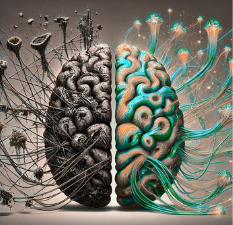
Typical therapeutic stabilization techniques may inadvertently trigger dissociative symptoms or fail to provide relief for this population. This usually signals that there's something we might be overlooking—such as Dissociation, ADHD, Autism, or a sensory processing disorder. To address this, we can explore potential symptoms through online assessments and open discussions. When faced with such challenges, it's essential to seek consultation and collaborate with others.
A complex case simply means you need to be curious and be willing to grow as a therapist. It is important to believe that clients cannot fail therapy and acknowledge that therapy can fail a client when it does not honor their uniqueness and if the therapist is unwilling to grow personally and professionally.
- Brynne Angelle, LCSW
10. Therapist Self-Care
Being a therapist-especially a trauma therapist-means walking a fine line between holding space for clients' pain and navigating our own. This work has a profound way of unearthing our own history, echoing emotions we may have thought were long resolved. It's a constant reminder that "healing the healer" is not just a phrase; it's a necessity.
Personally, I continue to attend therapy every month. It's my time to clean out my nervous system. Therapy is self care maintenance. It's where I bring the moments that trigger me, whether rooted in my own past or from vicarious trauma - the secondhand impact of deeply connecting with others.
- KD Holmes, MS, LPC, EMDR Certified
Noticing when our inner "stuff" is surfacing is a critical skill. It requires us to stay attuned to the shifts in our body and mind, cultivating awareness of when our boundaries have blurred, and when our emotional reserves are depleting. Engaging in consistent, intentional self-care isn't optional. It's the stabilizer that prevents burnout so that we can continue to show up fully present for our clients. Because to hold others in their healing, we must also hold ourselves.

Want This Guide as a Beautifully Illustrated PDF?
Everything above is also available as a fully designed, printable e-book - complete with diagrams of the brain and nervous system, perfect for keeping on your desk or sharing with your team.
Download the Illustrated Trauma Guide (Free PDF)

Brynne Angelle, LCSW
thelafayettecounselor.com
Bangelle5286@gmail.com
337-565-0900

Marielle Babb, LPC
mbabblpc.com
mbabblpc@gmail.com
337-381-2019

KD Holmes, MS, LPC
kdholmeslpc.com
kd@kdholmeslpc.com
337-895-0300


 KD & Marielle

 KD HOLMES, LPC, EMDR CERTIFIED, BTTI TRAINED : Mar 15, 2026, 5:05:41 PM